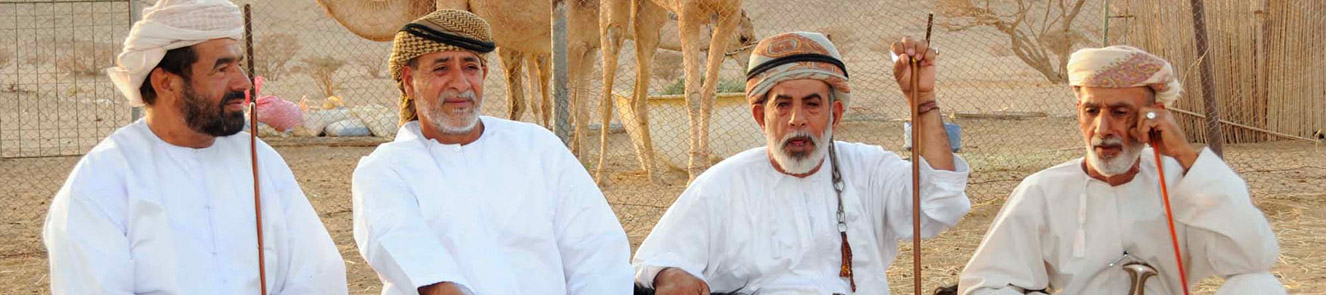
The men’s cloak, bisht, is one of the traditional garments of the United Arab Emirates and many Gulf and Arab countries.
The men’s cloak, bisht, is one of the traditional garments of the United Arab Emirates and many Gulf and Arab countries. It remains an integral part of Emirati traditional dress and is regarded as an essential element of a man’s attire, symbolizing dignity and decorum alongside the ghutra and agal (head covering) and the kandoura (a long robe).
The bisht is an outer cloak worn over the shoulders, reaching down to the feet. It is open at the front with two arm slits, allowing one hand to remain inside while the other remains outside. What enhances the elegance of the bisht is the decorative embroidery in gold or silver zari threads added along the edges, neckline, chest, and sleeves.
Traditional makers of bisht use camel hair and sheep wool, spinning and weaving them according to the type required. Summer bishts are fine and lightweight, while winter bishts are thicker and heavier. Fabric sources have diversified in recent years. Typically, white bishts are worn during the day and black ones at night. Historically, Emirati women also wore a similar garment known as suway’yah, placed over the head rather than the shoulders, draping down the body. It was made from fine fabric and specially adorned with gold-plated zari threads, particularly for brides.